
Inbound Marketing With AI Support And How It Can Increase Leads
AI can support inbound marketing by helping teams research customer questions, draft useful content, respond to routine enquiries and assess results. Outcomes depend on the audience, offer, implementation and human review.
At Oi Marketing, we use tools to support strategy and communication while keeping the customer’s needs at the centre.
Enhancing Efficiency With AI Automation
AI can support inbound marketing by assisting with repetitive tasks such as organizing customer questions or drafting campaign ideas. People still need to check accuracy, permissions and brand fit before anything is published or sent.
Audience data can help inform more targeted campaigns, provided it is collected and used appropriately.
Personalization and Customer Engagement Strategies
AI-powered tools can help answer routine questions and tailor useful information. Review answers for accuracy and offer a clear route to a person when a question needs human help.
| Strategy | Tool | Outcome |
|---|---|---|
| Chatbots | Instant replies | May help answer routine questions |
| Personalisation | Learning your habits | More relevant information to test |
| Email Adjustments | Understanding actions | Messages to evaluate |
| Future Predictions | Spotting trends | Ideas for review |
| Voice and Visual | Natural language tech | Another way to interact |
Let’s work together to build stronger connections.
Streamlining Content Creation and Curation


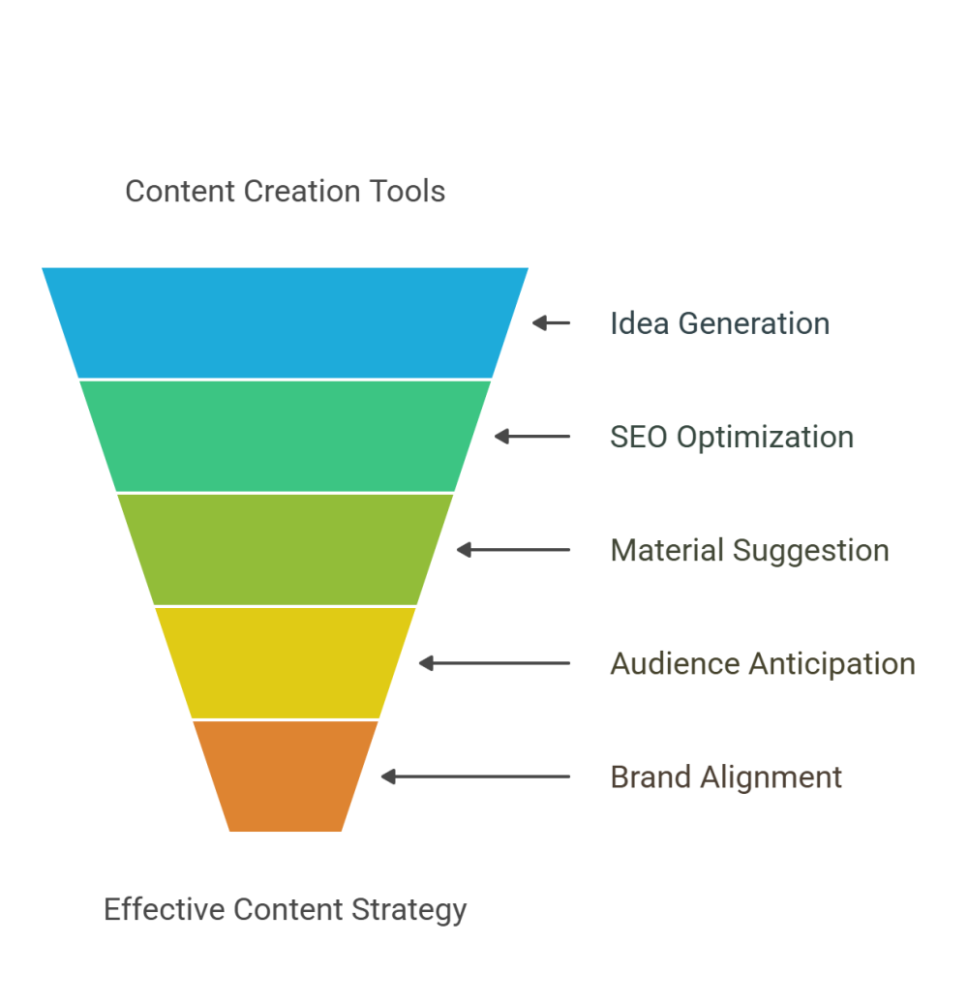
AI can help with content creation by grouping customer questions, suggesting outlines and identifying topics to review. A person should verify facts, add original expertise and ensure the result is useful.
For example, a local service business could group questions from enquiries, draft a service FAQ, check every answer and add a quote request. Compare qualified enquiries and staff time with a baseline to assess whether the workflow helps. Data analysis can offer ideas for further testing; it does not guarantee results.
Overcoming Challenges in AI Implementation
| Issue | Approach |
|---|---|
| Data Quality | Use tools to enhance data and outside sources. |
| System Compatibility | Use APIs to integrate systems. |
| Skill Gaps | Run training sessions and encourage AI understanding. |
| Ethical Worries | Apply ethical rules and maintain openness. |
| Real-Time Handling | Invest in systems that provide prompt results. |
Future Trends and Strategic Insights in AI-Driven Marketing
As tools evolve, test them against a specific business need. Review their accuracy, cost and data handling, and keep people responsible for decisions and customer communication.
Frequently Asked Questions
How Does AI Impact Small Businesses With Limited Marketing Budgets?
A small team can test one manageable task, such as drafting answers to common questions. Include subscription fees, setup and review time when comparing the result with the existing process.
Can AI Tools Replace Human Creativity in Inbound Marketing Campaigns?
AI tools can’t replace human creativity in inbound marketing. While they excel at data analysis and automation, they lack emotional depth and originality. We use AI to support our efforts, but human oversight ensures campaigns remain authentic and adaptable.
What Are the Privacy Concerns Associated With Using AI in Marketing?
Privacy concerns in AI marketing include data collection ethics, regulatory compliance, and algorithmic bias. Minimize the personal information shared, review each provider’s data-handling terms and security controls, and check applicable consent and privacy requirements.
How Can Marketers Measure the ROI of AI-Driven Marketing Efforts?
Compare qualified leads, booked work and staff time with a suitable baseline. Estimate ROI as incremental attributable value minus total tool, setup, staff and review costs, divided by those costs. Attribution is imperfect, so interpret the result alongside other campaign activity.
Is AI Support in Marketing Limited to Tech-Savvy Teams Only?
AI support in marketing isn’t limited to tech-savvy teams. We make it accessible by using simple AI tools, breaking down analytics, and offering training so everyone can adapt. Training and clear ownership help teams use the tools effectively.