

Effective Ways To Get More Leads
The most reliable way to grow a business is a steady supply of leads, and the good news is that getting more of them is something you can plan for rather than leave to luck. Plenty of businesses struggle in their early years, often because they never build a dependable way to bring in new customers. We generate leads for local businesses across the Fraser Valley every day, so below are the methods that actually work, starting with what matters most for a smaller local company.

What Actually Works for a Local Business
A plumber in Surrey, a clinic in Langley and a software company may attract customers through different channels. For an eligible local business, start with an accurate Google Business Profile, a clear service page and a simple way to call or request a quote. Our local SEO services can support that foundation.
Ask customers how they found you and compare search, referrals and other channels by qualified inquiries and customers, not just clicks. Prioritize what works for your market rather than assuming one channel is always the largest.
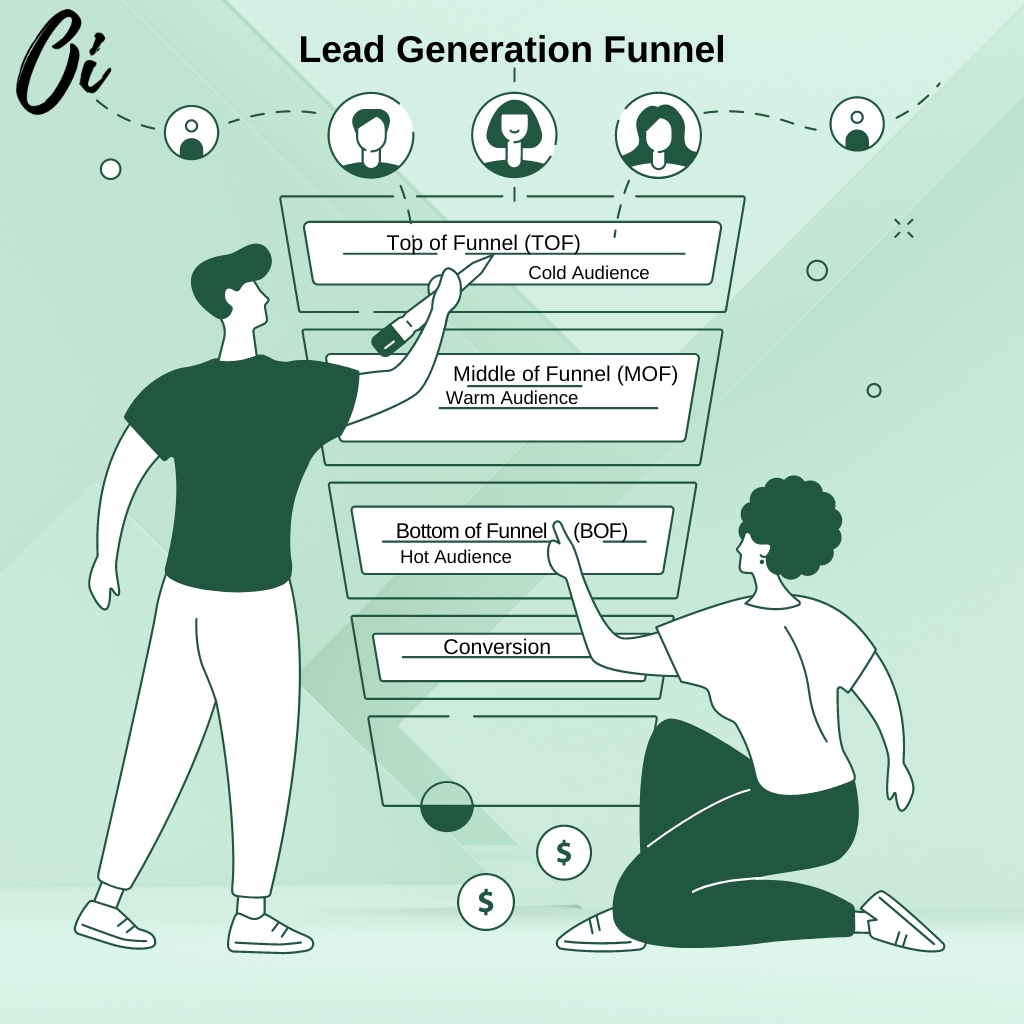
Understanding Lead Generation
A lead is a person or organization that has shown interest in your product or service. A qualified lead is a potential customer whose need, location and timing fit your offer.
Make the offer clear, answer common questions and provide an obvious next step. For example, a local contractor could publish a service page with project examples and a short quote form, then track completed inquiries, qualified leads and booked jobs.
Measure each stage: inquiry-to-qualified-lead rate, lead-to-customer rate and the cost per qualified lead. These figures help you improve the process without treating every form submission as a sale.
Contacting a Customer Directly
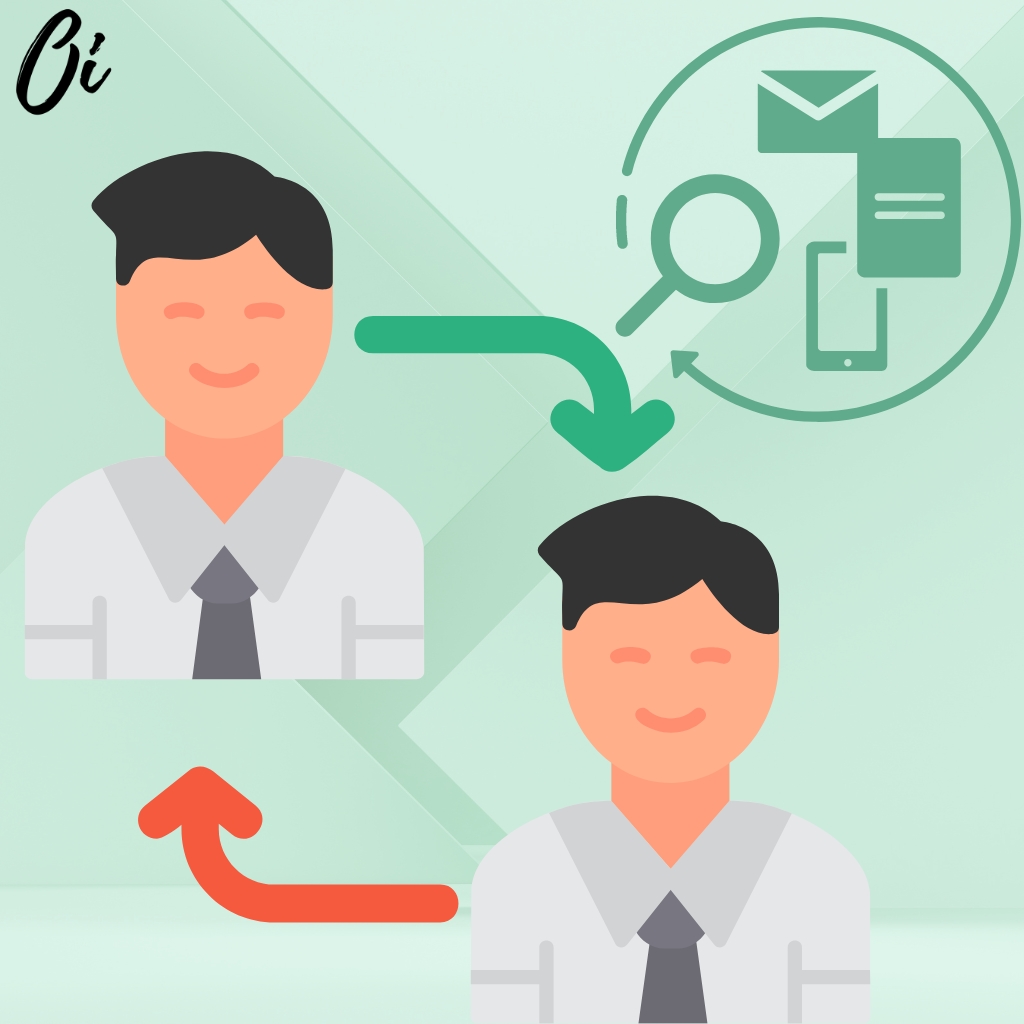
Follow up promptly when someone requests a quote or asks to hear from you. Refer to their inquiry, answer the question and offer a helpful next step; record the outcome so the team can follow through.
For promotional email or text messages, collect and use contact information with the appropriate consent and provide a clear way to unsubscribe. A search visit alone does not identify a person or give permission to contact them.
Get On LinkedIn
LinkedIn can be useful when your customers or referral partners use it professionally. Start by making your profile clear about who you help and sharing practical insights relevant to their work.
Participate in relevant discussions, build genuine relationships and offer a useful next step when it fits. Track qualified conversations and inquiries rather than assuming a platform will produce better conversion rates for every business.
Customer Referrals
A good customer experience can lead to referrals. After completing a project, ask satisfied customers if they know someone who might benefit, and make it easy to share your contact details. Track where inquiries come from and thank people who refer you.
Reviews can also help prospective customers evaluate your business. Ask for honest feedback without offering incentives for Google reviews; see our reputation management services.
Online Content and Blog Posts
Useful articles, case studies and service pages can answer questions before a customer contacts you. Choose topics from real inquiries, explain your approach and link to a relevant service or quote form.
Share useful work through suitable industry publications or partners when it reaches your audience. Measure search visits, inquiries and qualified leads over time; publishing content does not guarantee rankings or sales.
Run Giveaways
A relevant giveaway can introduce your business to a new audience, but an entry is not automatically a qualified lead. Choose a prize connected to your offer and explain the eligibility, timing and selection process clearly.
Follow applicable contest rules and platform requirements, and obtain appropriate consent before sending promotional follow-up. Compare the cost with the number of qualified inquiries or customers generated.

Final Thoughts
Choose one or two channels that match your audience and build a simple follow-up process. Review inquiry sources, lead quality, bookings and acquisition costs regularly, then invest more in the approaches that work for your business.