

The Best Psychology Tricks in Marketing
Any marketer in Canada worth their salt will tell you that it’s all about getting potential customers to follow your sales funnel and ultimately, end up in a sale. And yes, many factors are involved in developing a working marketing strategy with a decent conversion rate. However, to succeed at marketing, you must know how to use customer psychology to your advantage.
Get it right, and you can get your audience to purchase more and spend beyond what they initially planned.
In this post, we look closely at some of the best psychological tricks to use for increasing your sales and improving your business’s bottom line.
Ready to get started? Let’s get to it!
The Art of Priming an Ad
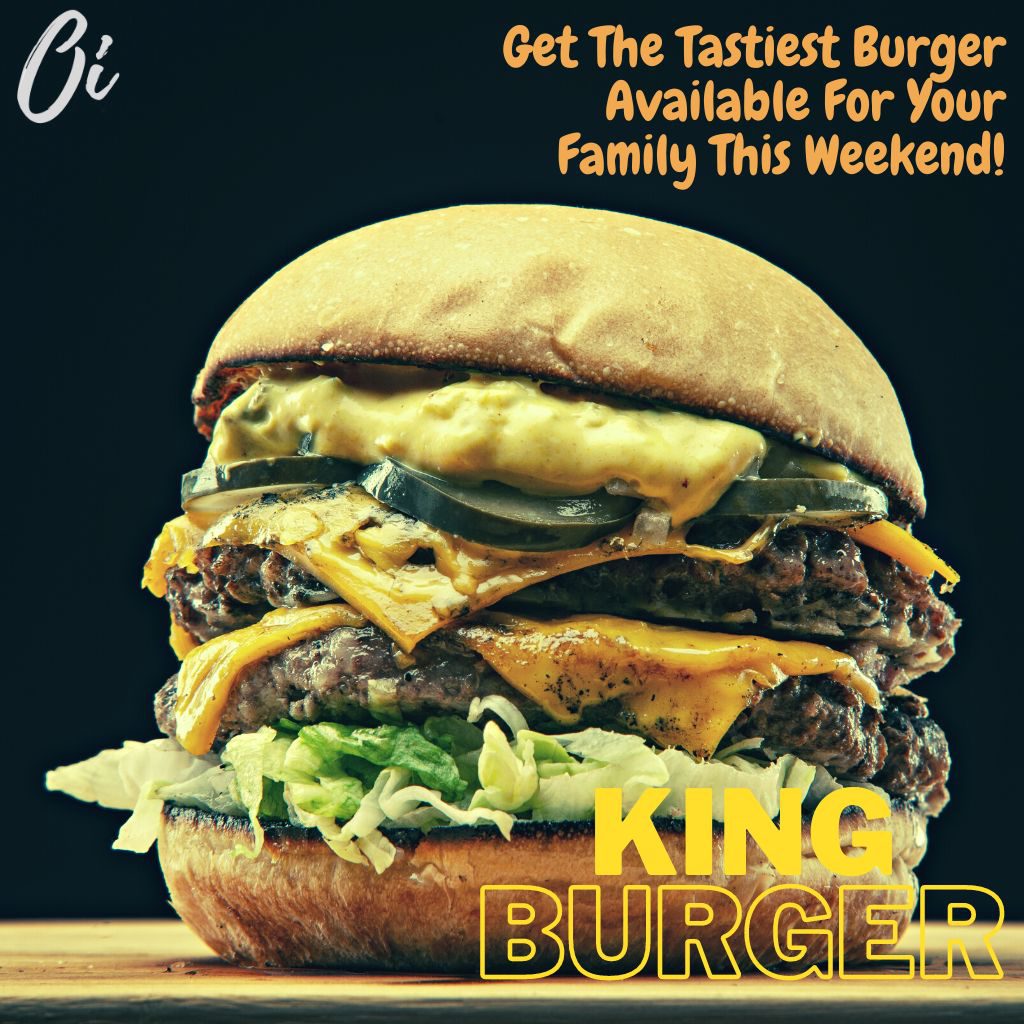
Suppose you saw an ad, “King Burger, Get The Tastiest Burger Available For Your Family This Weekend!”
Now let’s assume there wasn’t any image of the burger, but right next to the ad was a garbage disposal company’s contact and website information.
Are you likely to go for the burger? Heck nahhhh.
But what if next to the ad was a picture of the delicious-looking burger, and you had some money on you? Which of the two situations are you more likely to buy the burger?
If you mention scenario 2, then congratulations, you are not a vegan.
And the reason why the second scenario works is because of priming. Exposure to a stimulus will influence how you react to another.
In our case above, you were exposed to the stimulus, the image of a delicious burger in the ad, which caused you to react with desire. That’s what ultimately got you to buy the burger.
Creating Value Through Scarcity
We’re naturally drawn to things that aren’t readily available.
Savvy marketers know this and always try to create the illusion of scarcity to build product interest.
Think of the airline industry, which uses lines such as “only a few tickets left at this price.”
And how often have you heard this one, “hurry while supplies last.”
Creating a Decoy
Okay, so people love items that are less available and more valuable. But you want to know what else people love?
Deals!
Everyone loves knowing they got something valuable at a lower price.
So how about using this in your next marketing campaign?
For instance, you could add two prices to an ad: one higher and one lower. Cancel the higher price to show customers that they are getting a product at a lower price. It’s a transparent tactic once you know to look for it, but when done honestly it helps customers feel confident they’re making a smart choice.
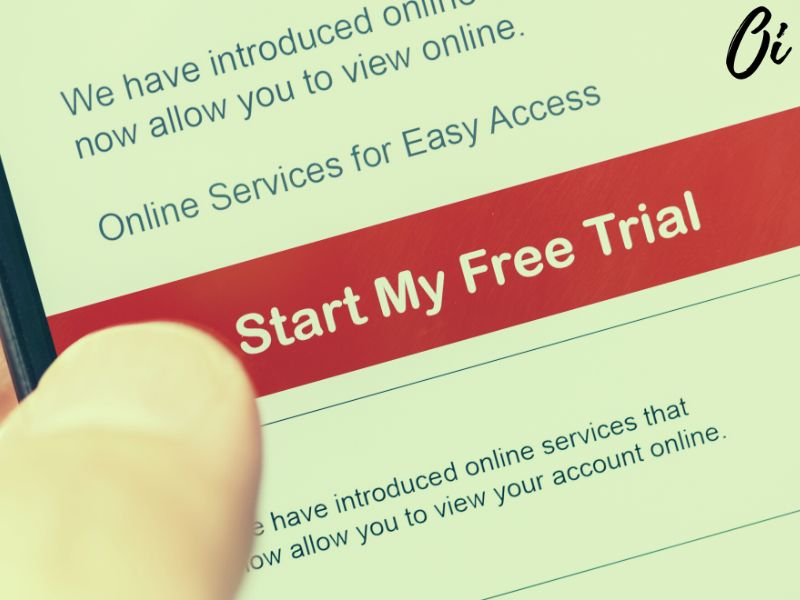
Offering Free Trials
Once people gain something of value, they’re unwilling to lose it.
Using this principle, companies now offer free trials (something of value), which is meant to prompt users to subscribe once the trial ends.
This is also why you see some companies offering free samples. They hope that once users have recognized the value of the product, they will then come back and make a purchase. One can hope at least.
Reciprocating The Good
People like to repay kindness with kindness. Buyers are far more likely to return when your business offers something as a token of appreciation.
For example, you may send gift cards to your audience to show you appreciate their business.
They will, in turn, feel the need to reciprocate by being loyal, which means more sales.
Final Thoughts
Understanding human psychology can be one of the best investments you can make for your business. And no, you don’t need a degree in psychology to use this stuff. By simply understanding the psychological tricks that prompt a reaction, you can use them in your marketing campaign for tremendous success.
Big budgets don’t win people over, understanding them does. Pick one of these tricks and try it on your next campaign, then watch how your audience responds.